Imagine a nighttime city without a single streetlight. Without illumination, streets become unfamiliar, parks dangerous, and bridges turn into invisible traps. Lighting isn’t just a technical element—it's the heartbeat of a city, its safety, energy, and beauty. Where light appears, life begins. That’s why, in state-level infrastructure projects, lighting is prioritized alongside roads, communications, and architectural solutions.
Light is the heart of infrastructure: how street lighting defines the functionality of urban spaces
Lighting determines how safe and comfortable a city will be at night. Quality street lighting reduces crime rates, lowers the incidence of traffic accidents, and enhances overall attractiveness for business and tourism.

When designing new squares, parks, bridges, or airports, without proper lighting, these objects remain “dead zones” after sunset. Well-designed lighting gives character to urban spaces, making them welcoming, safe, and lively.
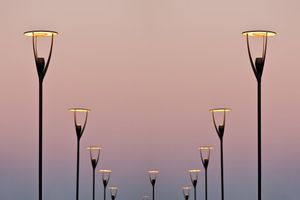
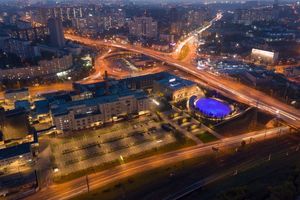
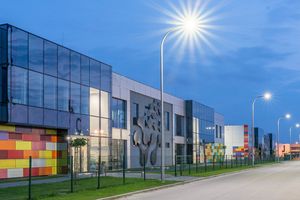
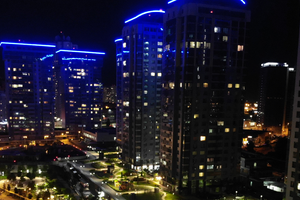
In large-scale state projects, lighting is especially critical, as these objects often become the face of the region, its calling card. Night panoramas of bridges, graceful light curves along avenues, cozy illuminated park alleys—all of these shape the city's image in the minds of residents and visitors.
State-level infrastructure projects: where lighting becomes key to success
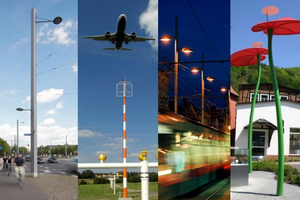
State infrastructure projects encompass a vast array of objects: international airports, major highways, railway stations, parks, sports arenas, bridges, and embankments. Without lighting, none of these can operate efficiently.
For example:
-
Airports: Lighting of aprons and access roads is critically important for passenger safety and operational efficiency.
-
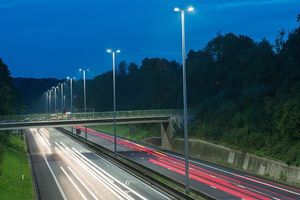
Roads and bridges: Nighttime driving becomes dangerous for both motorists and pedestrians without adequate lighting.
-
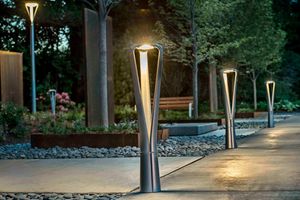
Parks and public spaces: Lighting creates an atmosphere of safety and comfort, prolonging the "life" of the location after sunset.

That’s why at the planning stage, lighting issues are discussed at the highest level among general contractors and architects, alongside fundamental engineering systems.
Lighting engineering: technologies reshaping modern infrastructure
Modern lighting is no longer just a collection of lamps. Today, it involves high-tech solutions combining energy efficiency, aesthetics, and intelligent functions.
Key technologies shaping the new quality of lighting include:
-
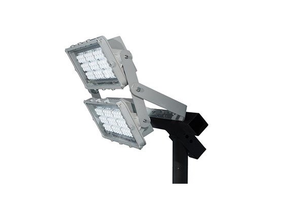
LED technologies: significantly save energy and ensure longevity.
-
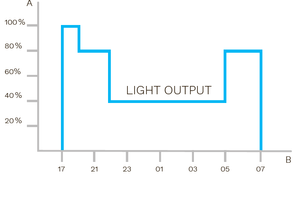
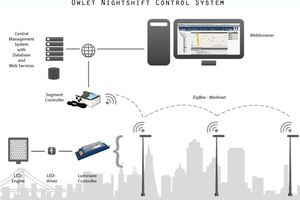
Smart control: automated systems adjusting lighting intensity based on time, weather, traffic, or pedestrian movement.
-
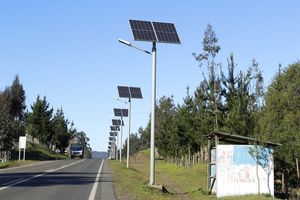
Autonomous solutions: systems powered by solar panels and wind generators that do not require centralized power grids.
-
Architectural lighting: specialized solutions highlighting building volumes, bridges, and monuments.

A contemporary approach demands not just installing lights, but creating a thoroughly engineered, aesthetically verified system that will last for decades.
A reliable partner in rebuilding and developing Ukraine’s infrastructure
Among companies responsible for lighting key facilities in Ukraine, our team plays a special role. With profound engineering experience, access to advanced technologies, and our own manufacturing, we’ve successfully completed dozens of state-level projects.
From reconstructing urban parks to illuminating airports and industrial facilities—wherever reliable and durable lighting is needed, STOLB’s signature is present.
Now, during reconstruction after wartime destruction, our company emphasizes autonomous solutions, energy-efficient systems, and rapid deployment technologies. STOLB doesn't just install lights—STOLB creates the light of hope for Ukrainian cities.
Challenges and solutions: how thoughtful lighting helps overcome infrastructure issues
Every infrastructure object faces unique challenges:
-
Remoteness from electrical grids.
-
Harsh weather conditions.
-
High traffic intensity.
-
Architectural constraints.
Proper lighting can turn challenges into advantages:
-
Autonomous systems solve power supply issues.
-
Durable light fixtures function reliably in marine or mountain conditions.
-
Smart management systems reduce costs and enhance energy efficiency.
-
Architectural integration allows lighting spaces without compromising authenticity.

The future of street lighting: trends, innovations, and Ukraine’s place on the global map of change
In the near future, urban lighting will become even smarter:
-
AI management: streets automatically adapting to pedestrian flow and weather conditions.
-
Interactive spaces: lighting serving as communication with residents via changes in color, intensity, and scenarios.
-
Full autonomy: streets independent from traditional power grids.
Ukraine, experiencing wartime challenges, has an opportunity to become an example of a new rebuilding model: fast, energy-efficient, and modern. Lighting is one of the first steps on this path.
Where there is light, there is life, growth, and the future
Lighting is more than energy. It embodies safety, comfort, beauty, and symbolizes hope.
Each new facility receiving modern lighting demonstrates that Ukraine lives, develops, and looks to the future.
Wherever the lights shine, there is faith in a better tomorrow—and these are the projects transforming the country.